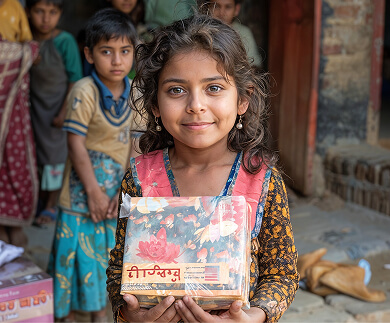
Our Working Groups are dedicated teams of practitioners, experts, and community stakeholders collaborating around key thematic areas relevant to our mission. Each group provides a platform to share knowledge, tools, resources, and experiences, enabling coordinated action, capacity building, and community-centered solutions.
At L2GForum, we believe that collective thinking and collaboration are essential to effect sustainable change. Our Working Groups are open to individuals and organizations who share our commitment to empowerment, inclusion, and local-to-global impact.
Here are some of the core Working Groups currently operating under L2GForum:
Community Engagement & Participation
Youth & Women Empowerment
Education & Capacity Building
Sustainable Development & Livelihoods
Years of experience
0+
Thousand volunteers
0+
Word wide office
0+
HIGHLIGHTS OF IMPACT
What Each Working Group Does
Discover the positive change we’ve created through our programs, partnerships, and dedicated efforts. From healthcare and education to environmental sustainability.
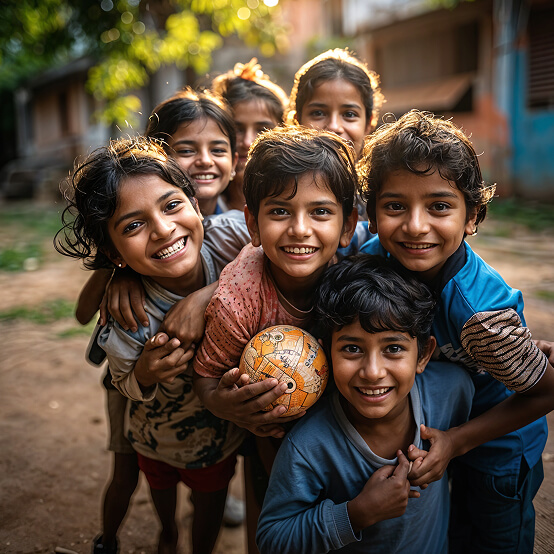
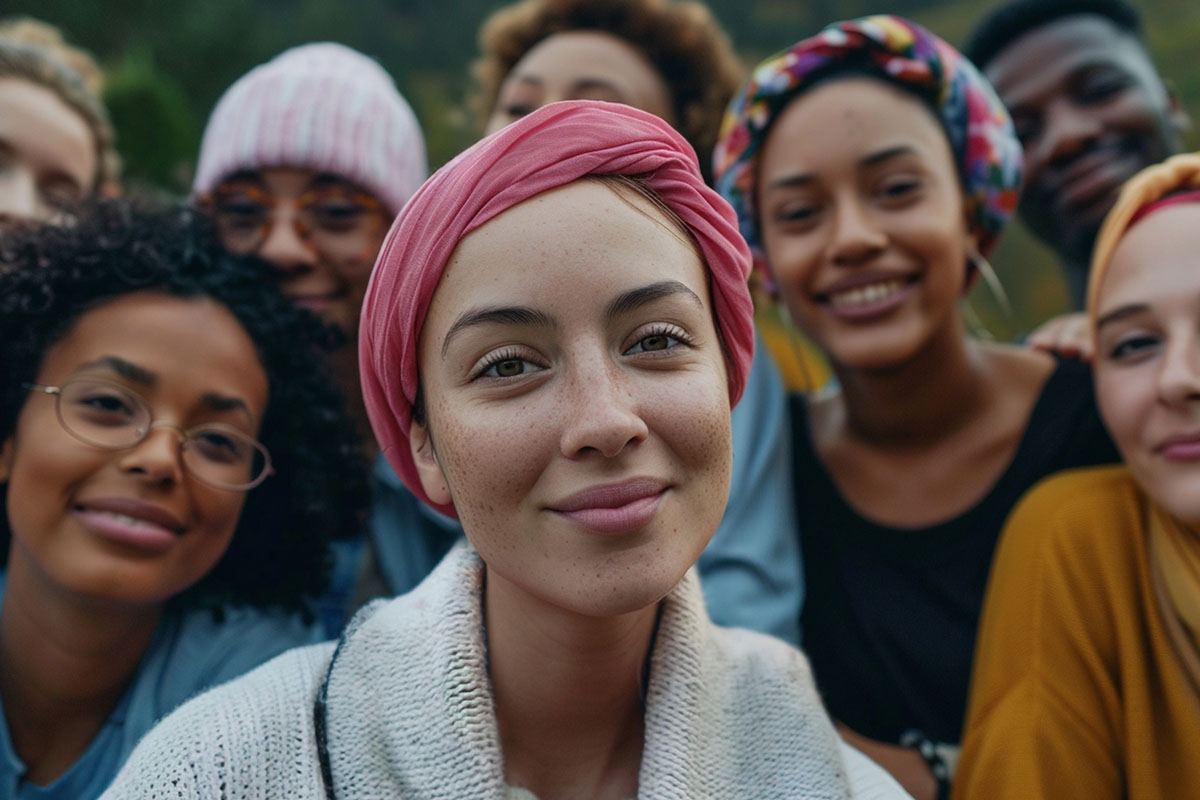
Create inclusive spaces for community voices, support community-led decision-making, and provide practical tools and guidelines that strengthen meaningful participation.
Design programs that build skills and confidence, advocate for equal access to opportunities, and foster mentorship networks that uplift youth and women.
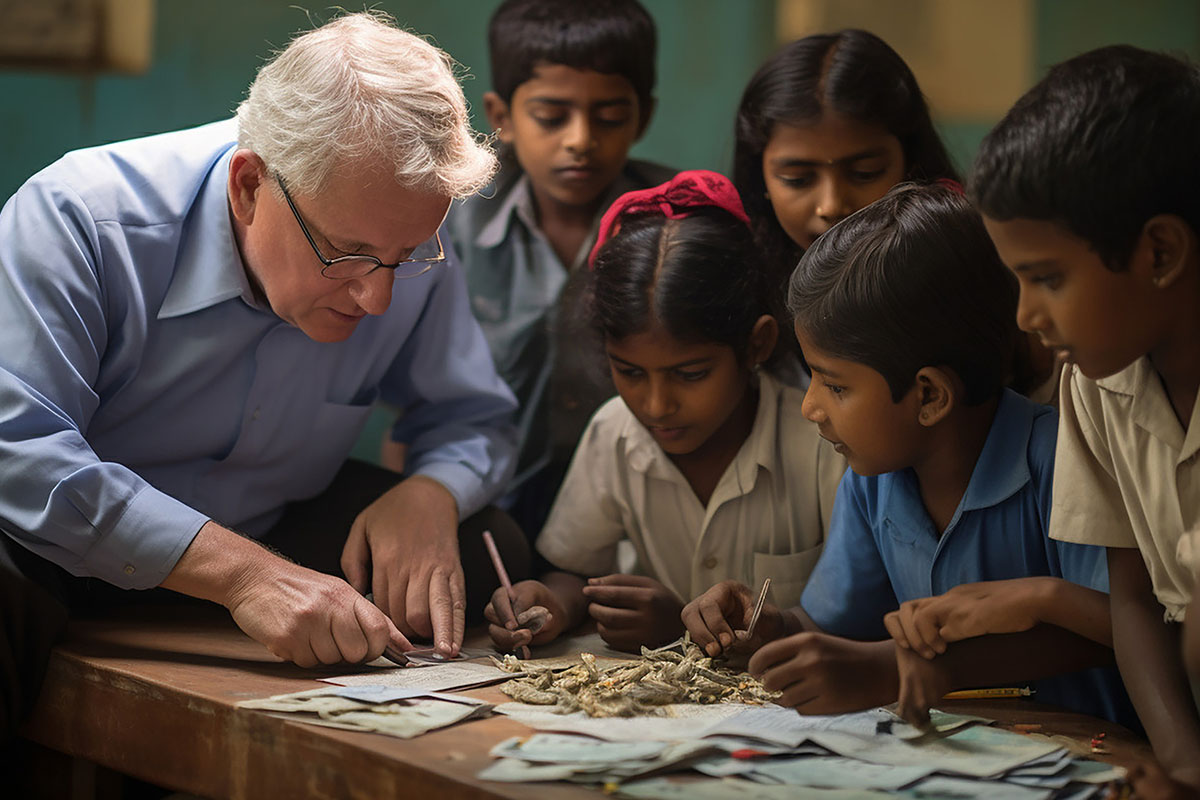
Organize trainings and learning sessions, develop context-driven educational resources, and promote knowledge exchange to support continuous community growth.
Strengthen local livelihoods through skills training and entrepreneurship, promote sustainable practices, and support long-term resilience within communities.
Lead awareness campaigns on rights and social issues, promote inclusive policies, and build partnerships that amplify local voices and drive positive change.
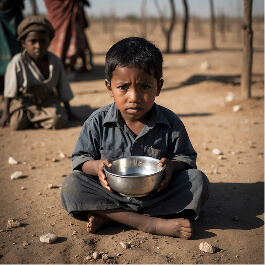
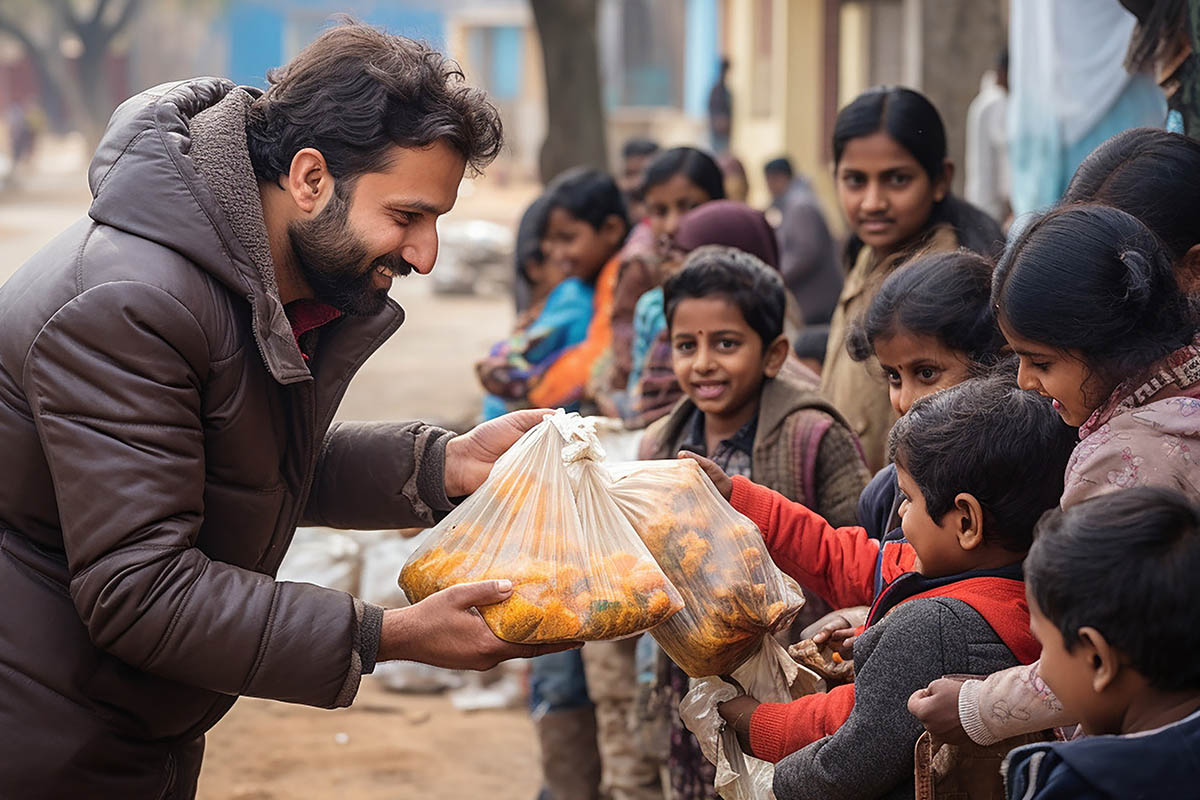
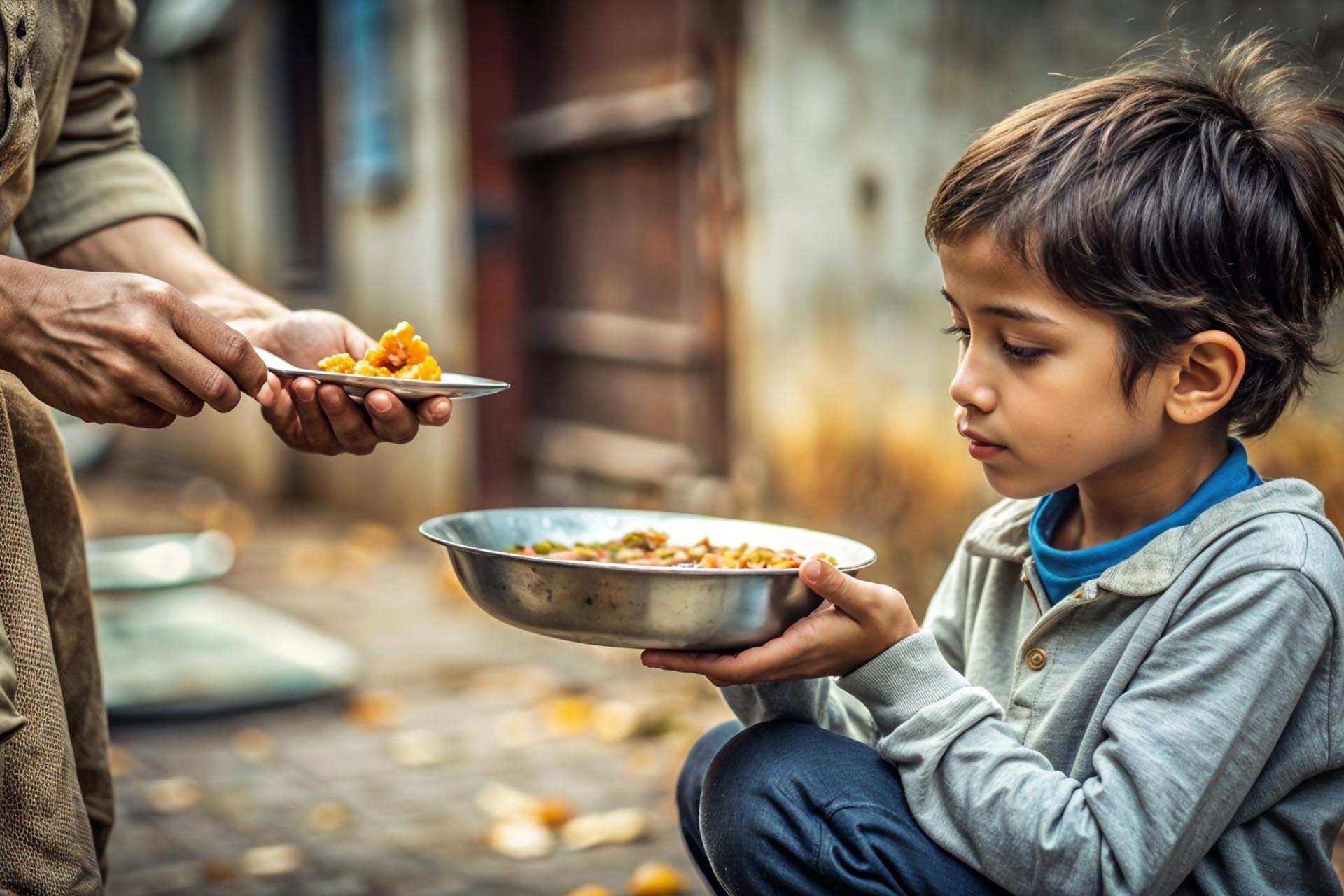
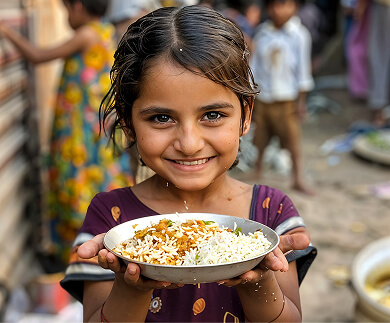
Addressing hunger and malnutrition by providing nutritious meals
0%
Community Engagement & Participation
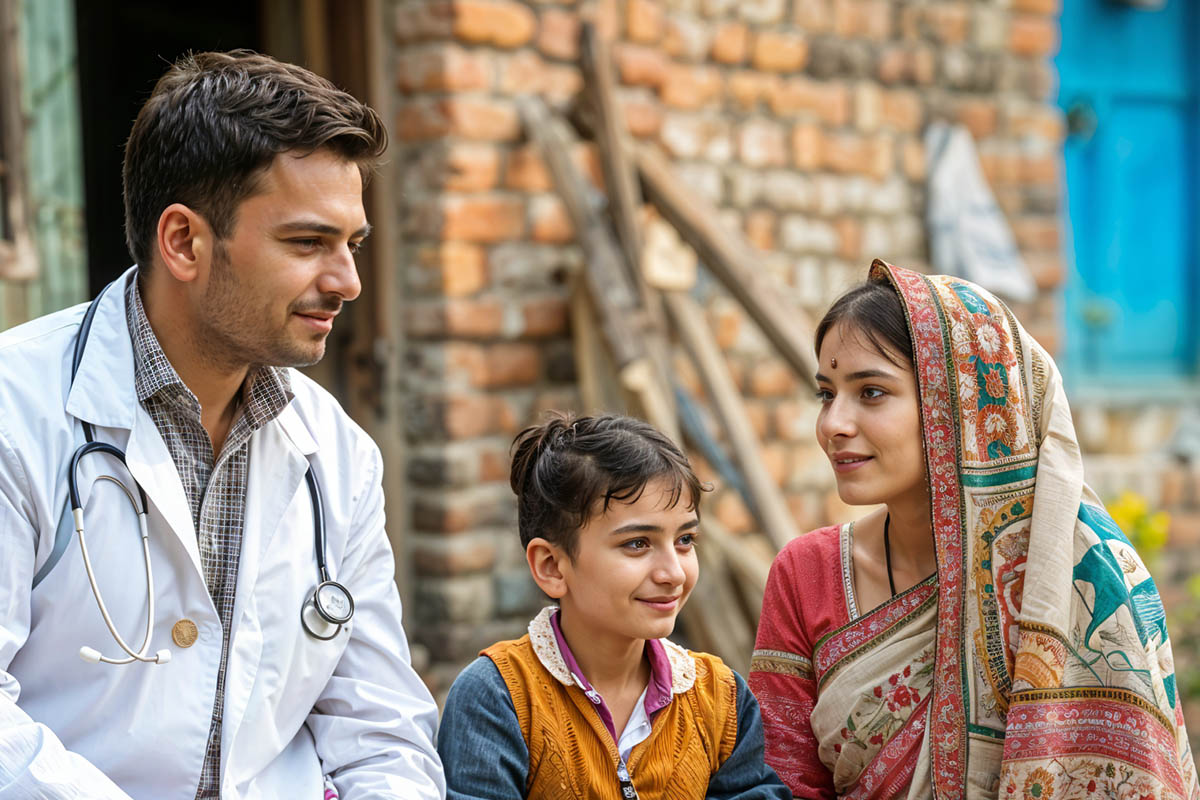
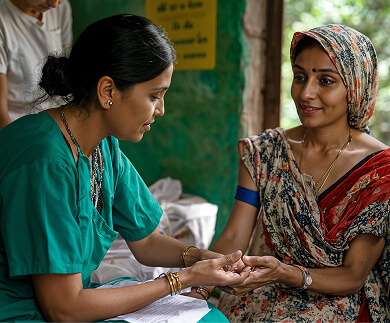
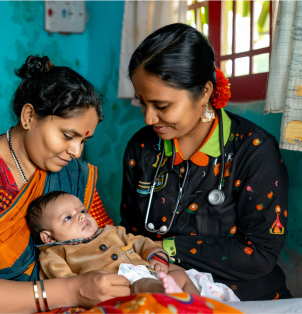
Providing essential healthcare services and resources to communities.
0%
Education Support
Providing essential healthcare services and resources to communities.
0%
Food Support
Providing essential healthcare services and resources to communities.
CUSTOMER REVIEW
0k
TESTIMONIALS
What people say about us
"Working with [NGO Name] has been a truly inspiring experience. Their dedication to uplifting communities and creating sustainable change is unmatched. Through their programs, I’ve seen lives transformed and hope restored"
Eleanor PenaVolunteer Coordinator
"Working with [NGO Name] has been a truly inspiring experience. Their dedication to uplifting communities and creating sustainable change is unmatched. Through their programs, I’ve seen lives transformed and hope restored"
Michael CarterProgram Manager
"Working with [NGO Name] has been a truly inspiring experience. Their dedication to uplifting communities and creating sustainable change is unmatched. Through their programs, I’ve seen lives transformed and hope restored"
Collaborative Impact: Working in a group harnesses collective experience and expertise to create more effective, inclusive, and sustainable programs.
Knowledge & Resource Sharing: Members gain access to a repository of tools, frameworks, guidelines, and success stories.
Capacity Building & Learning: Through trainings, peer learning, and shared experiences, members enhance their skills and expand their networks.
Inclusive Participation: Working Groups prioritize marginalized voices — ensuring planning and action reflect diverse community needs and perspectives.
Flexibility & Local Relevance: Working Groups can adapt their focus to local contexts, emerging needs, and evolving challenges.